Rising Interest Rates Could Throw Nation into another Recession

Although commercial real estate investors had major concerns over the rise in interest rates following the presidential election in November, rates have moderated and are having a minimal impact on commercial real estate transactions, according to a CBRE study. The study found the rate hike so far has had little or no impact on two-thirds of deals nationwide, with an average 3% downward price adjustment (from 0.4% to 11%) on the other one-third of transactions. However, the Fed is expected to raise rates three more times this year, as well as two or three times in 2018 and three times in 2019. Interest rates impact cap rates and ultimately property valuations, and the biggest risk to the commercial real estate sector is that under proposed GOP tax reform and a subsequent boom in investments, the economy could get so overheated that the Fed might raise rates higher than expected, which could throw the nation into another recession.

Source:

BISNOW, CBRE Research Head Discusses Future of CRE under GOP Leadership

Marijuana Legalization Creates New Sector in Industrial Real Estate Market

NAIOP’s Industrial Space Demand Forecast, First Quarter 2017 Report, predicts industrial quarterly net absorption to average approximately 64 million square feet, a level similar to that in 2016. The model indicates that areas involving consumer products and e-commerce distribution are likely to remain the largest generators of demand for industrial space in 2017. Contributing to the growth is marijuana legalization where operators in this sector are occupying run-down industrial buildings in tertiary markets that act to offer value-add opportunities for investors due to in part to companies working in the cannabis trade typically paying above market rate for space given the challenges facing the business. Legal pot sales hit $6.7B in 2016 and are expected to rise above $20B by 2021, according to Acrview Market Research, creating an entirely new sector in the industrial real estate market. However, some experts believe that investors supporting these projects could lose over the long term due to unclear state and federal regulations.

Sources:

BISNOW, Marijuana Legalization To Drive High Demand In Industrial Real Estate

NAIOP, Industrial Space Demand Forecast, First Quarter 2017

Restaurant Sales Keep Retail Market Afloat

As big-box stores such as Sears and Macy’s continue closing their doors citing e-commerce as the straw that broke the camel’s back, brick-and-mortar landlords wonder if there’s any hope left for retail. Fortunately, sales at restaurants and drinking establishments grew to the tune of $155 billion. A report from Reis, Inc., Is the Retail Real Estate Industry Doomed?, found that spending at restaurants and drinking places offset 92% of the retail lost to e-commerce sales. The increase in restaurant sales is also leading to the creation of jobs, which will help contribute to keeping retail spaces occupied. Among retail restaurants, food halls are quickly gaining in popularity due to Millennial foodies searching for experiential dining. Food halls differ from food courts in that they provide a cultural experience and offer both prepared and unprepared food, with farm-to-fork vendors and artisanal restaurants. Demand for food halls is expected to double in the next few years, which is good news for restaurant operators, mall landlords and big-box space owners.

Sources:

BISNOW, An Explosion Of Food Halls: 7 Things You Need To Know

NAIOP, Will Restaurants Save the Mall?

Top 4 Challenges Facing Office Occupiers

Interested in what’s driving office occupiers? In an attempt to temper the uncertainties spurred by the political climate, the shift in office design and the amenities required to remain competitive, companies are juggling a lot as they search for the right mix to stay relevant. Find out the top 4 areas office occupiers see as challenging.

  1. Economic Uncertainty – According to a CBRE survey, economic uncertainty is a top three concern of commercial real estate executives as the job market and interest rate environment can affect the value of commercial assets.
  2. Skilled Labor – Due to a shortage of talented workers in affordable markets and the possibility of losing immigrant workers due to President Trump’s proposed immigration policies, employers are expanding their search to secondary markets.
  3. Reducing Waste – In order to combat looming economic challenges and optimize real estate, companies are reducing their workforce and downsizing floorplans in an effort to pursue cost-cutting initiatives and attain competitive advantages.
  4. Workplace Amenities – As Millennials continue to dominate the workforce, employers work to meet their demands for environments that incorporate design and culture with open, creative, team-oriented spaces and access to exercise facilities, food and wellness services.

Source:

BISNOW, This Is Where Office Occupiers Are Focusing Their Efforts In 2017

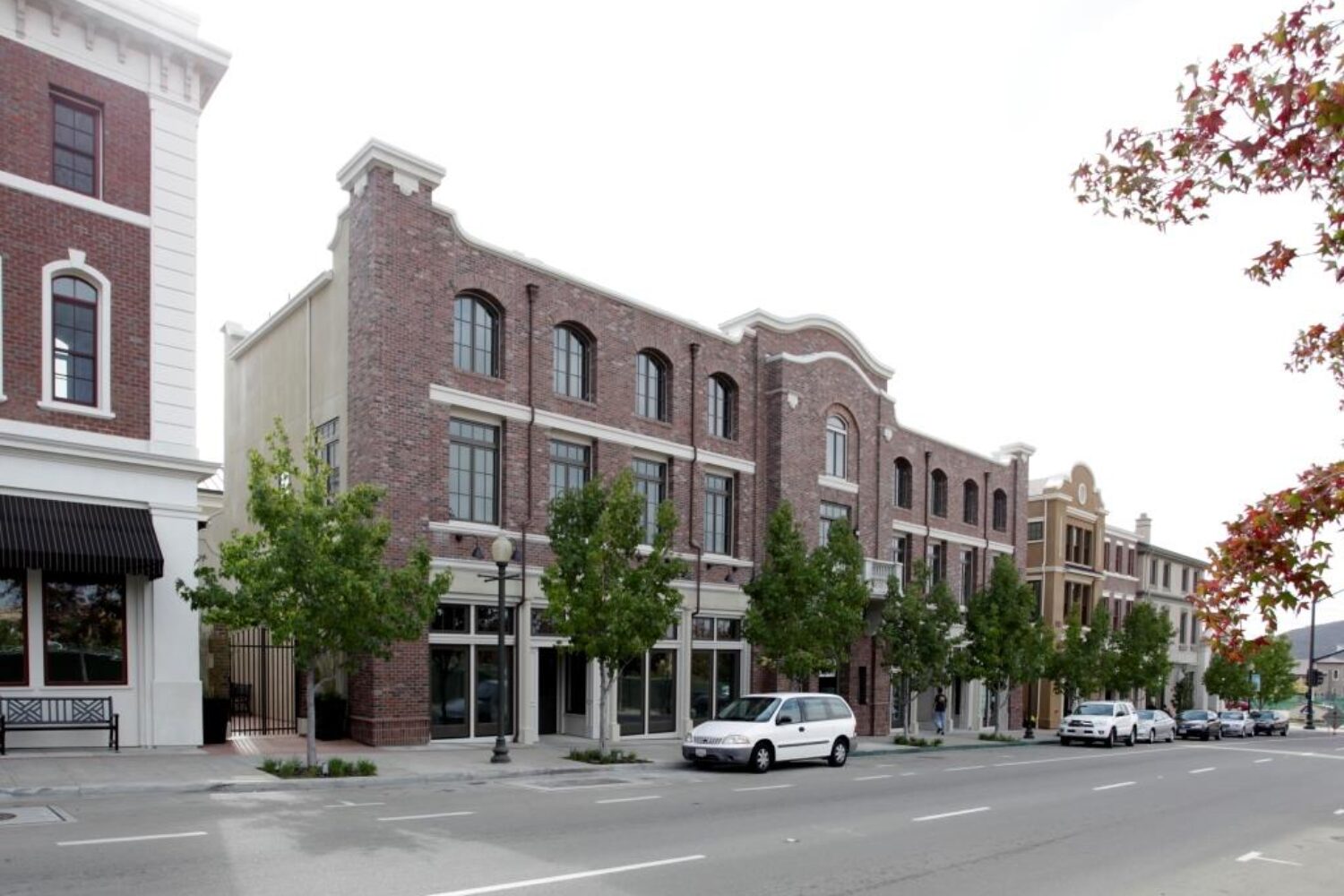
San Elijo Hills Town Center

1501-1523 San Elijo Road

San Marcos

10,997 square feet, Retail

Meissner Jacquét has managed San Elijo Hills Town Center since 2009 for previous owner HomeFed Corporation. Upon the center’s sale to Ambient Communities, Inc., a real estate development company with headquarters located in San Diego, Meissner Jacquét was maintained as the commercial real estate management firm under recommendation of previous ownership due to Meissner Jacquét’s performance. In addition to providing day-to-day retail property management services, Meissner Jacquét will work with Ambient on the expansion of the two adjacent lots of proposed retail and multifamily.

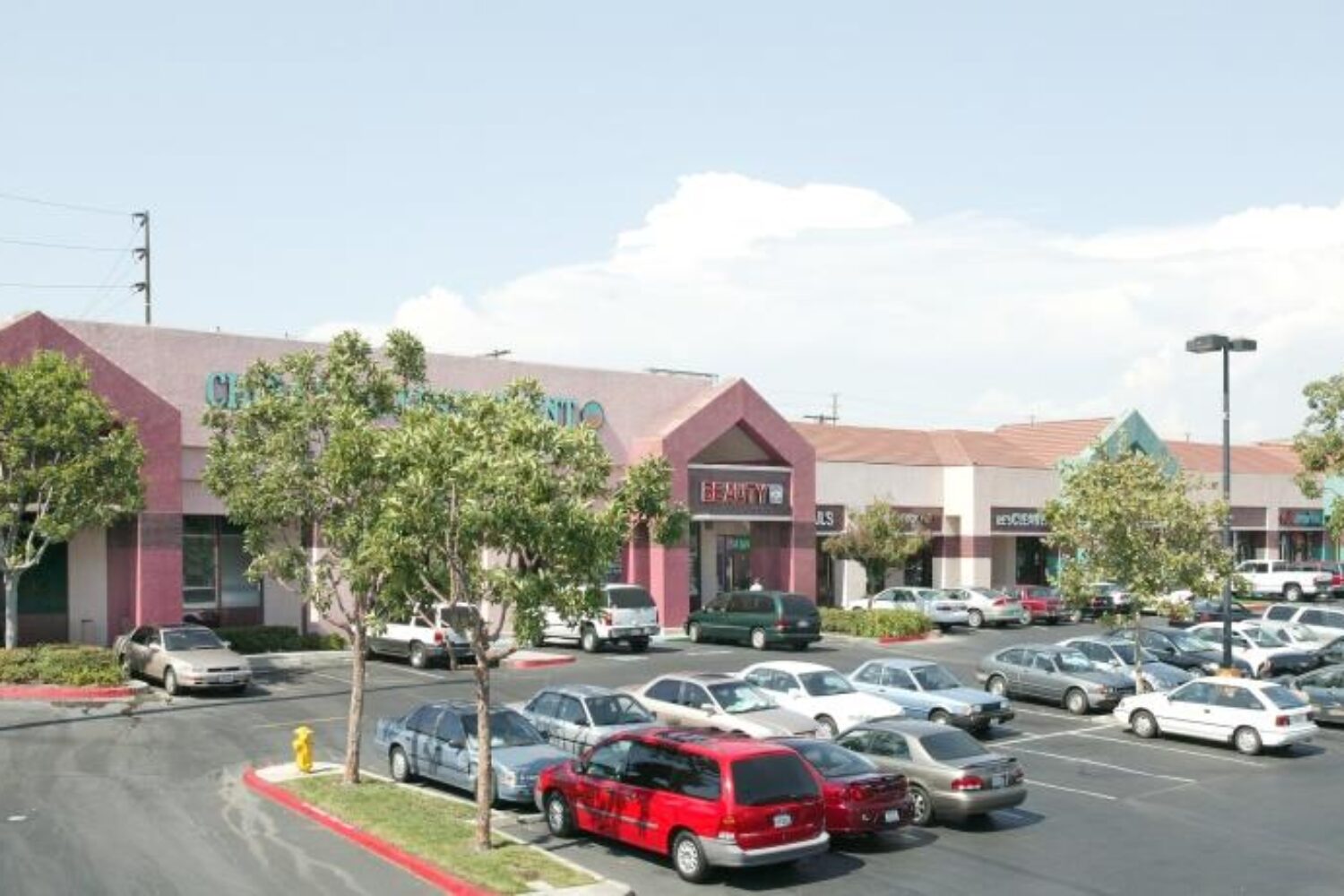
Lemon Grove Plaza

7012-7144 Broadway Avenue

Lemon Grove/Spring Valley

151,788 square feet, Retail

Bought by Starboard Realty Advisors, LLC, a privately-held operator and sponsor of primarily retail shopping center investments headquartered in Irvine, ownership required a new management team to be on-boarded in less than three days due to escrow requirements. Meissner Jacquét’s previously positive relationship with one of the partners lent for a seamless takeover. Services include commercial property management, coordination of the Tenant Merchant Association and lease renewals, with opportunity for construction management oversight.

Trump Budget Proposes Deep Cuts to Expand National Defense

President Trump’s budget is proposing big changes for the 2018 federal fiscal year. Mainly by expanding national defense by cutting dozens of government programs and agencies, which the administration sees as contributing to a costly and ineffective federal government. Funding would be eliminated for long-distance Amtrak trains, the Corporation for Public Broadcasting, including PBS and NPR, Meals on Wheels, and Energy Star, a program that encourages energy efficiency. Energy Star’s benefits include its rating systems for energy efficient products and its online tool that measures and tracks energy and water consumption in commercial building space.

CNN Money, What America Would Look Like under the Trump Budget

NAIOP, Trump Budget Proposal Would Cut EPA Energy Programs

E-Commerce Breathes Life into Secondary Industrial Markets

Returns for industrial real estate have been close to the highest of all property types. But is there room to grow? Signs are pointing to yes, due to e-commerce’s contribution. With the ability to track, store, analyze and apply information, more efficiencies will be built into supply chains. Online retailers keep higher levels of inventories, have a wider range of products, and support direct-to-consumer shipping and returns, which translates to a need for more space. Given consumers’ penchant for immediacy of product delivery, demand for secondary industrial markets that are located closer to people are expected to emerge.

Sources:

NAIOP, Industrial Real Estate Fundamentals and Investment Outperformance

NAIOP, The Internet of Things is Changing the Supply Chain

NAIOP, Hot Industrial Markets for 2017

Modern shopping mall interior

Malls Struggle to Maintain Relevance Amidst Online Shopping

When is the last time you got in the car and headed to your local mall for a day of shopping? Probably not recently if you’re a Millennial. Mall landlords today are struggling to keep their tenants and layouts relevant in the face of online shopping. That’s why they’re focusing on “placemaking” by making their stores more compelling and relevant and the utilization of technology that track customer movements and spending habits in an attempt to increase consumer foot traffic. Even though some see malls undergoing a death spiral, publicly traded REITs are beating analyst estimates.

Sources:

BISNOW, Mall Landlords Increasingly Rely on Technology to Track Customer Habits

BISNOW, Placemaking: These Landlords have Transformed Mere Shopping Centers into Destination Centers

 BISNOW, The Death Spiral, and How it Won’t Stop the Country’s Top Retail REITs

Office Investment Environment Continues to Appeal Despite Slowing Demand

The buzz is that the office sector will experience a slowdown this year due in part to a labor shortage and an abundance of new supply being delivered that will drive up vacancy rates and slow rent growth. Other contributors include less space required per employee due to the open-plan office space trend and a shift from downtown office demand to suburban markets. Despite these setbacks, the office investment environment, particularly within the West Coast and Florida regions, is cautiously optimistic due to the business-friendly policies being signaled by the new administration.

Sources:

BISNOW, Have Office Markets Plateaued? All Signs Point to Yes.

BISNOW, Office Investment Outlook Remains Strong, Despite a Few Headwinds

BISNOW, The Top 10 Buy, Sell Office Markets for Investors to Note